In everyday life, these tendencies value decision authority, understand relationships and rules, and want order to have a public rationale.
In shadow mode, procedure may be applied selectively, reallocating opportunities by loyalty and challenge behind an apparently uniform standard. Political awareness, maintaining order, and recognizing risk are not in themselves power games.
Three moments you may recognize
Before allocating opportunities, observe who supports the plan and who withholds opinions at critical moments
Maintains procedure during a public challenge, then adjusts access and position afterward
Prepares a complete rationale when dealing with dissent, making the outcome appear to follow from order
Strengths from the same roots
Sensitivity to relationships, the consequences of decisions, and institutional language can help coordinate complex organizations and anticipate resistance, provided standards can be verified and dissent is not automatically treated as disloyalty.
One step too far
When supporters and critics quietly face different rules, and procedure merely conceals rewards and penalties based on loyalty, governance slides into power games.
How nearby characters differ
Like the Puppet Master, the Power Broker uses rules and circumstances to stay in control, but is more likely to count a challenge as disloyalty. Like the Cult Leader, the Power Broker watches for defection; the Power Broker retaliates quietly through formal systems, while the Cult Leader draws public lines around personal loyalty.
01 / UNDERSTAND THIS COMBINATION
Four perspectives on how this character acts.
Characters take a strategy to a vivid extreme. Understanding these combinations can help you notice proportion and limits in everyday choices.
What you want
Decision power
This character cares more about controlling key decisions and may accept extra costs to retain that control.
How things are moved forward
Indirect design
This character tends to arrange information, relationships and options before guiding a situation in the desired direction.
When to let conflict end
Added consequences
Beyond making things right, this character may still want the other person to concede or pay an additional cost for the conflict.
How decisions are made
Shared basis
This character tends to explain choices using reasons that others can also understand.
02 / SOMETHING TO NOTICE
Let your strategies serve what matters to you.
Think of a collaboration or disagreement: what did you most want to protect, how did you move things forward and when were you ready to stop? Putting actions in context often reveals more than a name alone.
Extra / Character skills
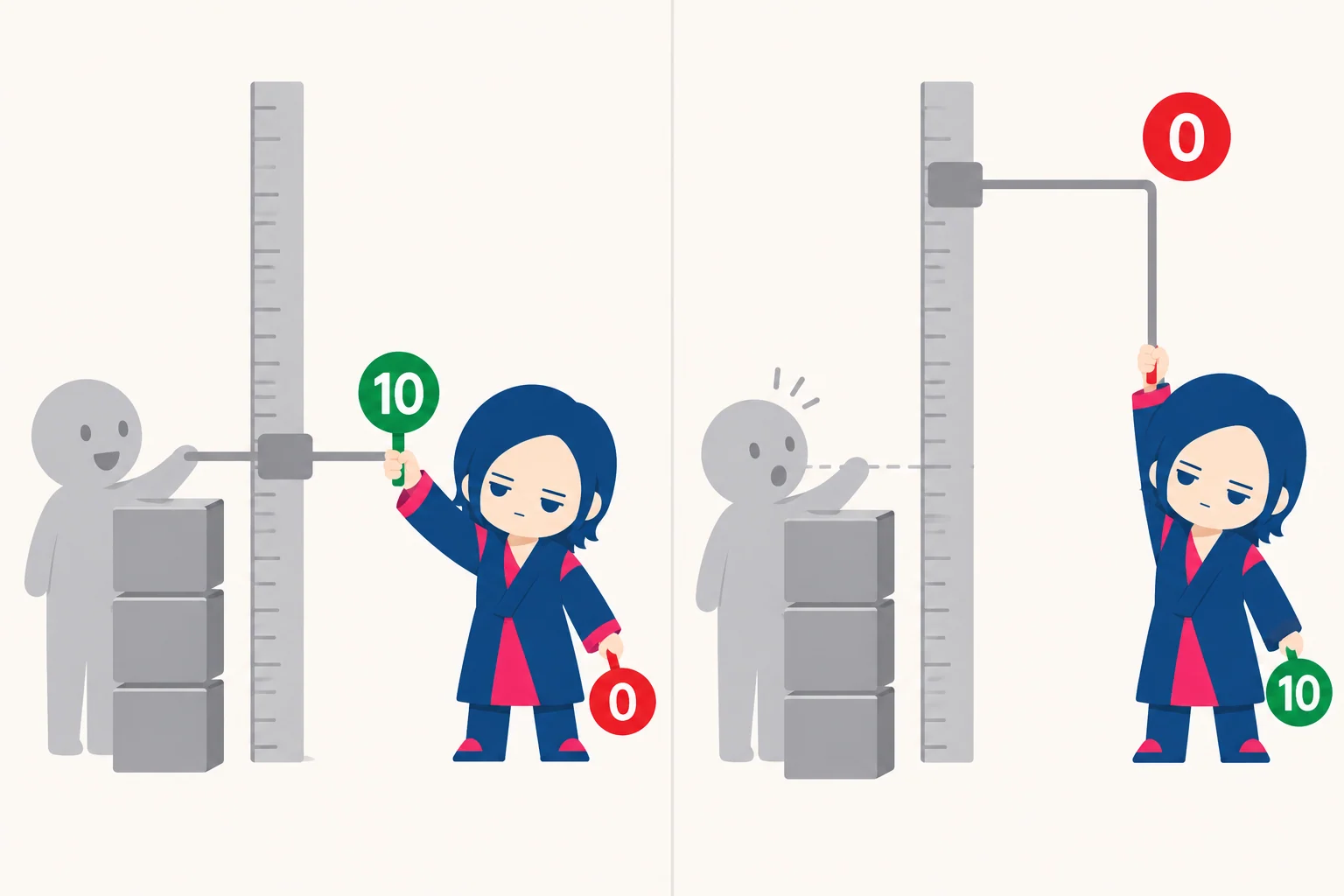
Moving the Finish Line
The moment someone meets the requirement, he raises the bar and turns a passing result into a failure.
 Control · Strategy · Punitive · Justification